




Brittle Nails That Split and Break: Causes and the Nutrients That Matter
Share
Quick answer: brittle nails affect up to 20% of the population, especially women over 50. The most common cause is not a nutritional deficiency but repeated cycles of wetting and drying, detergents and small knocks. Less often, they are linked to conditions such as iron deficiency or thyroid problems. Protecting your hands, moisturising and getting enough protein, zinc and selenium are the basics, and any change takes months to show because a fingernail takes about six months to grow out completely.
What brittle nails look like
- Peeling in layers at the free edge of the nail (onychoschizia).
- Splits or cracks running lengthwise from the tip (onychorrhexis).
- Nails that break easily or feel soft and thin.
A review published in Dermatology and Therapy distinguishes two types: brittle nails with no identifiable cause (idiopathic), which are the most frequent, and brittle nails secondary to another problem, such as trauma, changes in nail hydration, infections or systemic diseases.
The most common causes
| Cause | Why it affects nails | What to do |
|---|---|---|
| Water and detergents | Repeated wetting and drying makes the nail swell and shrink, weakening the bonds between its layers | Gloves for washing up and cleaning; moisturise afterwards |
| Acetone and frequent manicures | Dehydrates the nail plate; gel and its removal thin it | Acetone-free remover; breaks between manicures |
| Age | The nail plate changes and loses flexibility over time | Keep nails short and moisturise daily |
| Small knocks | Using nails as tools causes micro-fractures | File in one direction; do not peel or bite |
| Iron deficiency, thyroid problems, other conditions | Affect how the nail is formed | See a doctor if other symptoms appear |
What role does nutrition play?
The nail is made mostly of keratin, the same protein as hair. Building it requires amino acids, especially sulphur-containing ones such as cysteine, plus minerals and vitamins. The Dermatology and Therapy review notes that oral supplementation with vitamins, especially biotin, trace elements and amino acids, especially cysteine, has been reported to be useful in brittle nails with no other cause.
It is worth being precise about what is authorised in the European Union: zinc contributes to the maintenance of normal nails, and selenium contributes to the maintenance of normal nails. Biotin has authorised claims for hair and skin, but not for nails. Biotin studies on nails are small and old, so treat it as a possible help, not a guaranteed solution.
In practice, the basis is a varied diet with enough protein: eggs, fish, legumes, nuts and seeds cover most of these nutrients.
Daily habits that make a difference
- Wear gloves when washing up, cleaning or handling chemicals.
- Apply a hand cream or oil to nails and cuticles after every wash and before bed.
- Keep nails short and file them in one direction, without sawing back and forth.
- Use acetone-free nail polish remover and leave breaks between gel manicures.
- Do not use your nails to open cans or peel labels.
How long until you see a change?
Fingernails grow about 3 mm a month, so a nail takes around six months to replace itself completely. Toenails take longer, up to a year or more. Any improvement, whether from habits or nutrition, appears first at the base of the nail and needs months to reach the tip.
When to see a doctor
See a doctor or dermatologist if the change affects only one nail, if the colour or shape changes (spoon-shaped nails, dark lines, thickening), if there is pain or inflammation, or if it comes with tiredness, hair loss or other symptoms. They can rule out fungal infections, psoriasis, iron deficiency or thyroid problems.
Where Hair Code fits
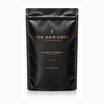
Hair Code was designed for hair, but its formula is relevant for nails too: it contains zinc and selenium, which contribute to the maintenance of normal nails, the amino acid L-Cystine, plus biotin, MSM and silicon. It is designed to be taken daily for at least three months. To understand each ingredient, read why we chose MSM, biotin and zinc.
Frequently asked questions
Why do my nails break so easily?
Most often because of repeated contact with water and detergents, acetone, frequent manicures or small knocks. Less often, a deficiency or another condition is involved.
Which vitamin deficiency causes brittle nails?
Iron deficiency is the best-known nutritional cause. Low protein intake can also play a role. If you suspect a deficiency, ask your doctor for a blood test rather than guessing.
Does biotin work for nails?
Some small studies and a dermatology review suggest it may help in brittle nails with no other cause, but the evidence is limited and there is no EU-authorised claim for biotin and nails. Zinc and selenium do have authorised claims for nails.
How long does it take for nails to get stronger?
A fingernail takes about six months to grow out completely, so allow at least three to six months.
Sources
- Chessa MA, et al. Pathogenesis, clinical signs and treatment recommendations in brittle nails: a review. Dermatology and Therapy, 2019.
- European Commission. EU Register of nutrition and health claims.
This article is for information only and does not replace medical advice. Food supplements should not be used as a substitute for a varied and balanced diet and a healthy lifestyle.